By Dr. Mahsa Hakim & Dr. Nazanin Hakim, Union Square Dental Practice, San Francisco
Key Takeaways
- Peroxide-based teeth whitening lightens natural teeth by oxidizing internal pigments within enamel and dentin.
- In-office whitening delivers faster results, while custom take-home trays provide slower, more controlled whitening with easier maintenance.
- Crowns, veneers, fillings, and implant restorations do not whiten, so treatment planning must account for possible shade mismatches.
Professional teeth whitening can improve a smile, but the best results depend on understanding why teeth have changed color and selecting treatment that matches the cause. At Union Square Dental Practice in San Francisco, we evaluate enamel condition, dentin shade, gum health, restorations, sensitivity risk, and patient aesthetic goals before recommending a whitening method. This assessment helps prevent irritation and gives patients an expectation of the outcome.
In this guide, we explain whitening options, how peroxide chemistry works, how long treatments take, and why some stains respond better than others. We also discuss sensitivity, maintenance, considerations, and situations in which whitening alone may be insufficient. Our goal is to provide a clinical overview that supports safe, predictable, and natural-looking results.

Understanding What Teeth Whitening Can Achieve
Surface Stains Versus Internal Discoloration
When patients ask us about teeth whitening, we first determine whether the discoloration is extrinsic or intrinsic. Extrinsic stains develop on the enamel surface and are commonly caused by coffee, tea, red wine, tobacco, plaque, and strongly pigmented foods. Many of these deposits can be reduced through professional cleaning, polishing, or stain-removing toothpaste.
Intrinsic discoloration is located within the enamel or dentin and cannot simply be polished away. Peroxide-based whitening works by diffusing into the tooth and oxidizing pigmented molecules. This chemical process changes how the tooth absorbs and reflects light, making it appear brighter.
Not every type of discoloration responds equally well. Yellow and light-brown teeth generally whiten more predictably than gray, banded, or developmentally discolored teeth. A clinical examination helps us identify the likely cause and recommend a realistic treatment plan.
Natural Teeth Are Not Uniformly White
Healthy teeth contain natural variations in shade, translucency, surface texture, and enamel thickness. The area near the gumline is usually warmer because the enamel is thinner and the underlying dentin is more visible. Incisal edges may appear more translucent or slightly blue-gray.
For this reason, our goal is not to make every tooth uniformly opaque or unnaturally white. We aim for a brighter shade that remains compatible with the patient’s age, complexion, facial features, and existing dental work. A natural result should preserve the tooth’s normal optical characteristics.
Whitening also cannot correct problems involving tooth shape, position, fractures, or severe enamel defects. These concerns may require bonding, orthodontics, veneers, or other restorative procedures. Whitening is most effective when the primary concern is tooth color.
Why Teeth Become Discolored
Age-Related Color Changes
Teeth naturally darken with age because both enamel and dentin change over time. Enamel may become thinner through ordinary wear, erosion, and abrasion. As it becomes more translucent, the yellow color of the underlying dentin becomes increasingly visible.
Dentin also continues to form inside the tooth throughout life. This gradual thickening can increase the tooth’s overall color saturation. Even patients with excellent oral hygiene may therefore notice that their teeth look darker as they age.
Age-related yellowing often responds well to whitening. However, the final result depends on enamel thickness, dentin color, existing restorations, and the patient’s dental history. Older teeth may require a slower or more carefully monitored approach.
Food, Beverages, and Tobacco
Coffee, tea, red wine, tobacco, and darkly pigmented foods are common causes of external staining. These substances contain chromogenic compounds that attach to the protein film covering the enamel. Repeated exposure can gradually deepen the visible discoloration.
Dry mouth may intensify staining because saliva normally helps wash pigments away. Plaque, calculus, crowded teeth, and rough enamel surfaces can also retain color. In these situations, professional cleaning should usually be completed before whitening begins.
Tobacco stains may be particularly resistant to ordinary brushing. Although whitening can improve the underlying tooth shade, continued tobacco use may cause discoloration to return quickly. Long-term maintenance depends partly on reducing repeated pigment exposure.
Developmental and Medication-Related Stains
Some discoloration develops while the teeth are still forming. Tetracycline exposure, excessive fluoride, childhood illness, trauma, and certain genetic conditions can alter enamel or dentin color. These changes are usually more complex than ordinary surface staining.
Tetracycline discoloration may appear gray, brown, or horizontally banded. Fluorosis can create white, brown, or porous enamel areas. Whitening may improve these conditions, but the response can be slower and less uniform.
Complex cases may require a combination of treatments. Depending on the enamel condition, we may consider whitening, microabrasion, resin infiltration, bonding, or veneers. The least invasive appropriate option should generally be considered first.
Why an Examination Is Important Before Whitening
Identifying Untreated Dental Problems
Whitening should begin only after we confirm that the teeth and gums are healthy enough for treatment. Cavities, cracked teeth, defective fillings, gum recession, erosion, and exposed dentin can increase sensitivity. Peroxide may also enter areas that are not adequately sealed.
A dark area may represent decay rather than ordinary staining. Similarly, one unusually dark tooth may have experienced trauma, pulpal damage, or previous root canal treatment. Whitening the surrounding teeth without diagnosing the cause may make the difference more noticeable.
A dental examination allows us to distinguish cosmetic discoloration from active disease. When necessary, we may use radiographs, pulp testing, or additional diagnostic procedures. The underlying condition should be treated before elective whitening.
Assessing Sensitivity Risk
During the examination, we look for enamel cracks, recession, abrasion, erosion, and exposed root surfaces. These conditions can make the teeth more reactive to peroxide. Patients with a history of sensitivity may need a lower-concentration product or shorter treatment periods.
We also evaluate the gums for inflammation or recession. Whitening gel that contacts irritated tissue may cause burning, temporary whitening of the gums, or tenderness. Proper isolation and tray design reduce this risk.
Desensitizing products may be recommended before treatment begins. Depending on the patient, these may contain potassium nitrate, fluoride, arginine, or other ingredients. Preventive management is usually more effective than waiting for severe symptoms to develop.
Documenting the Starting Shade
We normally document the initial tooth color using shade tabs, photographs, or digital shade-measuring instruments. This creates a baseline that helps us evaluate actual improvement. It also reduces the influence of memory, lighting, and subjective perception.
Photographs can reveal differences in translucency, white spots, cervical color, and individual tooth shades. Canines, for example, are often naturally warmer than the front incisors. These variations may remain visible after successful whitening.
A baseline record also improves communication. Rather than guaranteeing a specific number of shades, we can discuss a realistic range of improvement. This is more accurate because whitening response differs significantly between patients.
Professional In-Office Whitening
How the Procedure Works
In-office whitening uses professionally applied peroxide gel, usually at a higher concentration than home products. Before placing the gel, we protect the lips, cheeks, tongue, and gum tissue. A gingival barrier is applied carefully around the teeth being treated.
The gel is placed on the visible enamel surfaces for controlled treatment cycles. Depending on the system, it may be refreshed several times during the appointment. Some products use an accompanying light, although peroxide chemistry remains the primary whitening mechanism.
Throughout the procedure, we monitor the patient for sensitivity or soft-tissue irritation. The gel can be removed early if necessary. This level of supervision is one of the main advantages of chairside treatment.
Benefits of In-Office Treatment
In-office whitening is appropriate for patients who want noticeable improvement within a relatively short period. It may be useful before an important event or for patients who do not want to manage daily tray applications. The entire process is performed under professional supervision.
We can control the gel quantity, treatment time, tissue protection, and number of cycles. This reduces the chance of excessive gel contacting the gums. It also allows us to respond immediately if sensitivity develops.
However, stronger and faster treatment is not automatically better. Some patients experience more sensitivity with higher-concentration peroxide. Others may achieve an equally satisfying result through a slower take-home protocol.
Expected Results
Many patients notice a visible improvement after one in-office appointment. The exact change depends on the starting shade, cause of discoloration, enamel thickness, and individual tooth response. Yellow discoloration generally improves more readily than deep gray staining.
Teeth may look exceptionally bright immediately after treatment because they are temporarily dehydrated. As they rehydrate over the following days, the shade may become slightly warmer. This modest rebound is normal.
We therefore evaluate the stabilized result rather than relying entirely on the immediate post-treatment shade. Some patients may benefit from additional home whitening afterward. Others reach an appropriate endpoint after a single appointment.
Dentist-Supervised Take-Home Trays
How Custom Trays Work
Custom whitening trays are made from impressions or digital scans of the patient’s teeth. They fit more precisely than generic trays and hold the gel close to the enamel. A close fit also helps limit unnecessary contact with the gums.
Depending on the prescribed product, patients may wear the trays for a short period during the day or for a longer period overnight. Carbamide peroxide is commonly used because it releases hydrogen peroxide gradually. The concentration and schedule are selected according to the patient’s needs.
Patients should place only the recommended amount of gel in each tooth compartment. Using excessive gel does not improve the result proportionally. It mainly increases leakage, gum irritation, and waste.
Concentration and Treatment Time
Whitening effectiveness depends on both peroxide concentration and contact time. A lower-concentration gel used consistently can produce significant improvement while reducing sensitivity for some patients. A higher concentration may shorten treatment but can be less comfortable.
Patients should not extend the wear time without professional guidance. Longer exposure may increase sensitivity and tissue irritation without creating a meaningful additional benefit. Treatment should remain controlled and biologically tolerable.
We may adjust the schedule during treatment. Options include shorter sessions, rest days, alternating-day use, or a lower gel concentration. The ideal plan balances comfort with gradual color improvement.
Expected Timeline
Most patients begin to notice changes after several applications. A typical course may continue for one or more weeks, depending on the product and type of staining. Deep or gray discoloration may require a longer supervised period.
The gradual nature of take-home whitening allows patients to stop when they reach a natural-looking shade. It also gives us time to manage sensitivity before it becomes severe. This makes the method highly adaptable.
Custom trays are also useful for future maintenance. If the trays continue to fit properly, they may be reused for occasional touch-ups. Patients should still follow updated instructions rather than whitening on an unrestricted schedule.
Over-the-Counter Whitening Products
Whitening Strips
Whitening strips contain a thin layer of peroxide gel that adheres to the front surfaces of the teeth. They can produce meaningful improvement in patients with mild or moderate discoloration. Consistent use is necessary for predictable results.
Their main limitation is coverage. Flat strips may not contact rotated, crowded, or irregularly positioned teeth evenly. Areas near the gums or between teeth may receive less gel.
This can produce uneven whitening in some patients. Strips are generally most appropriate for relatively straight teeth and uncomplicated discoloration. Patients should choose reputable products with clear instructions.
Whitening Pens and Brush-On Gels
Whitening pens allow gel to be painted directly onto selected tooth surfaces. They are convenient and may be useful for limited touch-ups. However, saliva can dilute or remove the gel before adequate contact occurs.
These products do not provide the same controlled environment as a custom tray. Results may therefore be modest or inconsistent. Repeatedly treating only one area can also create uneven color.
Pens should not be applied over cavities, inflamed gums, exposed roots, or defective restorations. They are best viewed as maintenance products rather than the most predictable option for generalized whitening.
Consumer LED Devices
Many consumer whitening kits include LED lights that suggest faster or more advanced treatment. However, the presence of a light does not guarantee improved whitening. The peroxide formulation, gel contact, concentration, and treatment time are usually more important.
Some lights may increase temperature or temporarily dehydrate the enamel. This can make the teeth appear brighter immediately without producing a proportionate long-term color change. The visual effect may therefore be misleading.
Patients should evaluate the quality of the whitening gel rather than focusing on the device. An inexpensive light should not be assumed to reproduce a professionally controlled system. Excessive or prolonged exposure may also increase discomfort.

Whitening Toothpastes and Home Remedies
Whitening Toothpaste
Most whitening toothpastes work by removing surface stains rather than bleaching deep tooth discoloration. They may contain silica, baking soda, enzymes, detergents, or stain-preventing compounds. Some also contain low levels of peroxide.
Abrasive ingredients can be helpful when used appropriately. However, highly abrasive products combined with aggressive brushing may contribute to enamel wear, gum recession, and exposed dentin. This is particularly important for patients with erosion or sensitivity.
Whitening toothpaste is most useful for maintaining a clean surface after professional treatment. It should not be expected to produce the same result as peroxide trays or in-office whitening. Product selection should be based on the patient’s oral condition.
Charcoal and Baking Soda
Charcoal and baking soda products are often promoted as natural whitening methods. Their visible effect usually comes from abrasive removal of surface deposits. They do not reliably change deep dentin color.
Uncontrolled powders may be excessively abrasive, particularly when used with force. Repeated use can roughen enamel, composite bonding, or exposed root surfaces. A rougher surface may eventually collect more stain.
Baking soda can be safe when incorporated into a properly formulated toothpaste. Homemade mixtures are harder to control. Patients should avoid assuming that a household ingredient is automatically safe for daily dental use.
Acidic and Unproven Remedies
Lemon juice, vinegar, and other acidic ingredients should not be used to whiten teeth. Acids dissolve enamel minerals and soften the tooth surface. Brushing afterward can increase the resulting wear.
As enamel becomes thinner, the darker yellow dentin underneath may become more visible. The teeth may therefore appear darker over time despite temporary surface changes. Lost enamel cannot naturally regrow to its original thickness.
Oil pulling and similar remedies may make the mouth feel cleaner but do not reproduce peroxide-based oxidation. They should not replace brushing, flossing, professional cleaning, or evidence-based whitening. “Natural” does not necessarily mean effective or harmless.
Sensitivity and Gum Irritation
Why Sensitivity Occurs
Temporary tooth sensitivity is the most common side effect of peroxide whitening. Peroxide can move through enamel and dentin and temporarily affect the dental pulp. Patients may experience cold sensitivity or brief, sharp sensations.
Symptoms are more likely when strong gels are used for long periods. Cracks, recession, exposed dentin, erosion, and previous sensitivity can also increase risk. Not every patient responds in the same way.
Mild sensitivity usually improves when treatment is paused or reduced. Severe, lingering, or localized pain should be evaluated. It may indicate an unrelated dental problem rather than an ordinary whitening reaction.
Reducing Tooth Sensitivity
Patients with sensitive teeth may benefit from using a desensitizing toothpaste before whitening begins. Ingredients such as potassium nitrate and fluoride can reduce nerve response or support the tooth surface. Some patients may also receive professionally applied desensitizing agents.
During treatment, we can reduce the gel concentration or shorten the wear time. Rest days may be introduced between applications. Using less gel can also reduce unnecessary exposure.
Pain should not be interpreted as evidence that whitening is working better. A controlled and comfortable treatment is more likely to be completed correctly. Aggressive treatment often creates side effects without producing a proportionate improvement.
Protecting the Gums
Gum irritation usually occurs when whitening gel escapes from a tray or is applied too heavily. The tissue may temporarily appear white, red, tender, or irritated. Most mild reactions resolve after the gel is removed.
Patients should wipe away excess gel immediately. A tray that repeatedly pinches the gums or leaks should be adjusted. Continuing to use a poorly fitting tray may prolong irritation.
Professional in-office whitening requires careful gum protection because stronger peroxide is being used. Proper isolation significantly reduces the risk of chemical burns. Persistent tissue changes should be examined rather than ignored.
Crowns, Veneers, Fillings, and Implants
Restorations Do Not Whiten Predictably
Crowns, veneers, fillings, bonding, and implant restorations do not respond to peroxide like natural enamel and dentin. Their original manufactured shade generally remains unchanged. Surface polishing may remove some external stain but will not alter the underlying material color.
As natural teeth become lighter, an existing restoration may begin to appear darker. This is particularly noticeable when crowns or fillings are located on the front teeth. The mismatch may not have been visible before treatment.
We therefore identify all visible restorations before whitening. Patients should understand that achieving a lighter natural tooth shade may create a need for future restorative adjustment. This should be included in the treatment plan from the beginning.
Treatment Sequence
When patients are planning new crowns, veneers, or bonding, whitening should usually be completed first. The teeth should then be allowed to rehydrate and stabilize. Final restorative shades can be selected afterward.
Choosing a crown shade before whitening may lead to a mismatch once the surrounding teeth become brighter. Replacing a newly completed restoration would add unnecessary cost and tooth treatment. Proper sequencing helps avoid this problem.
The waiting period after whitening depends on the procedure and materials being used. It also allows temporary color changes to settle. Accurate shade matching requires stable, fully hydrated teeth.
When Replacement May Be Considered
Not every mismatched restoration needs to be replaced. We first consider its health, function, age, location, and appearance. Replacement should provide enough benefit to justify additional dental work.
Small composite restorations may sometimes be repolished or conservatively replaced. Larger veneers or crowns require a more involved procedure. Healthy tooth structure should not be removed without a clear reason.
Patients with many visible restorations may receive limited benefit from whitening alone. In such cases, polishing, repair, or selective replacement may be more appropriate. A comprehensive cosmetic plan may produce a more consistent result.
Difficult Types of Discoloration
Tetracycline Staining
Tetracycline staining may extend deeply into the dentin and can be difficult to whiten. Mild cases may improve with a long-term tray protocol. Severe gray or banded cases are less predictable.
Different portions of the tooth may respond at different rates. Lighter areas can improve before the darker bands, making the pattern temporarily more noticeable. Careful monitoring is therefore essential.
Higher peroxide exposure does not guarantee that deep banding will disappear. It may only increase sensitivity. Some patients ultimately benefit from bonding or veneers after conservative whitening has been attempted.
Fluorosis and White Spots
Fluorosis can produce white, brown, or porous areas in the enamel. Early demineralization may also create visible white-spot lesions. Whitening can reduce contrast in some cases but increase it temporarily in others.
White areas may appear brighter immediately after treatment because the enamel is dehydrated. The appearance should be reassessed after the teeth have fully rehydrated. Immediate conclusions can be misleading.
Residual spots may respond to resin infiltration, microabrasion, or bonding. The sequence often involves whitening first and correcting remaining irregularities afterward. This approach can reduce the amount of tooth structure that must be altered.
A Single Dark Tooth
One dark tooth requires diagnostic testing before cosmetic treatment. The color change may be related to trauma, pulpal degeneration, calcification, or previous root canal therapy. Whitening the entire smile may make the tooth look even darker by comparison.
A root-canal-treated tooth may sometimes be whitened internally. Bleaching material is carefully placed inside the prepared crown portion of the tooth. The surrounding tissues and root must be protected.
Other teeth may require bonding, a veneer, or a crown. The correct option depends on the diagnosis and remaining tooth structure. A single dark tooth should never be treated as ordinary generalized staining.
Realistic Expectations and Final Results
Factors That Affect the Outcome
Whitening results depend on the starting shade, discoloration type, enamel thickness, dentin color, age, and treatment compliance. Teeth with yellow tones often respond more predictably than blue-gray teeth. Root surfaces may also whiten less than enamel-covered crowns.
Individual teeth do not always brighten equally. Canines commonly remain warmer because they contain more dentin. Existing cracks, white spots, and restorations may become more visible.
For this reason, identical products can produce different results in different patients. We provide a likely range rather than a guaranteed shade. Biological variation is a major part of cosmetic treatment planning.
Why Shade Claims Can Be Misleading
Some products promise improvement by a fixed number of shades. However, shade guides are not universally standardized. The distance between one tab and the next may vary considerably.
Lighting, dehydration, photography, lipstick, clothing, and surrounding skin tone can also affect perceived brightness. A tooth may look different in the dental office than it does at home. Visual comparisons should therefore be standardized.
Photographs and digital shade measurements can improve accuracy. Even so, they cannot predict every patient’s biological response. Claims of guaranteed dramatic improvement should be viewed cautiously.
Immediate and Stabilized Color
Teeth often appear brighter immediately after whitening because the enamel is temporarily dehydrated. This effect is especially noticeable after in-office treatment. The teeth usually regain moisture over the following days.
As rehydration occurs, the shade may become slightly warmer. This does not mean that the whitening result has disappeared. It represents normalization of the tooth’s optical properties.
We evaluate the final result after the color has stabilized. Additional treatment should be based on that shade rather than the immediate post-treatment appearance. This reduces the risk of unnecessary overtreatment.
Maintaining Whitening Results
Why Color Returns
Whitening is not permanent because teeth continue to age and remain exposed to pigments. Coffee, tea, red wine, tobacco, and strongly colored foods can gradually restain the enamel. Plaque and rough surfaces may accelerate this process.
Intrinsic aging also continues after treatment. Enamel may become thinner, while dentin continues to develop internally. These biological changes cannot be completely prevented.
The duration of the result varies significantly. Some patients maintain a brighter shade for a long period, while others notice earlier relapse. Diet, hygiene, saliva, smoking, and the original discoloration all influence longevity.
Touch-Up Treatment
Many patients can maintain their result through occasional short touch-up courses. Custom trays are useful because they can often be reused when they still fit properly. Only a small amount of gel may be required.
Touch-ups should be based on visible relapse rather than performed continuously. Excessive whitening can increase sensitivity and gum irritation. It may also create an overly translucent or unnatural appearance.
Patients should follow current instructions because oral conditions can change. New fillings, crowns, recession, or sensitivity may require a different protocol. A tray that no longer fits should not be reused.
Helpful Daily Habits
Regular brushing, flossing, and professional cleaning help reduce surface stain accumulation. A soft-bristled toothbrush should be used to avoid unnecessary abrasion. Whitening should never depend on forceful scrubbing.
Drinking water after coffee, tea, or wine can reduce the amount of time pigments remain on the teeth. It will not eliminate staining completely, but it may help. Tobacco avoidance is also important for maintaining color and overall oral health.
Patients do not need to eliminate every colored food permanently. A sustainable approach is more realistic. Good hygiene and occasional professional maintenance are usually more effective than restrictive habits.
Choosing the Right Whitening Option
Matching the Method to the Goal
In-office whitening is best suited to patients seeking a rapid and professionally controlled result. Custom trays offer gradual improvement and greater flexibility. Whitening strips may be appropriate for mild, uncomplicated discoloration.
Whitening toothpaste is primarily useful for surface stain control. Pens may support limited touch-ups but are less predictable for full-smile treatment. Complex discoloration usually requires professional assessment.
The strongest product is not always the best option. Treatment should balance effectiveness, safety, comfort, cost, and convenience. A personalized protocol usually produces the most predictable experience.
Lifestyle and Sensitivity
A whitening plan must fit the patient’s routine. Some people prefer a single office visit, while others are comfortable wearing trays each day. Compliance has a major influence on the final result.
Patients with sensitive teeth may require a slower treatment. Lower concentrations, shorter sessions, and rest days can improve comfort. Preventive desensitizing products may also be helpful.
Dental anatomy and health matter as well. Crowded teeth, gum recession, orthodontic appliances, and extensive restorations can affect product selection. These considerations are difficult to evaluate through product packaging alone.
When Whitening Is Not Appropriate
Whitening should not be the first treatment for active decay, leaking fillings, severe erosion, pulpal disease, or uncontrolled gum inflammation. These conditions must be treated first. Cosmetic treatment should never delay essential dental care.
Whitening may also provide limited benefit when most visible teeth are crowns or veneers. It cannot correct substantial problems with tooth position, shape, or structure. Other procedures may be more suitable.
Sometimes a professional cleaning is enough to achieve the improvement a patient wants. In other cases, whitening can be combined with bonding or restorative treatment. The least invasive effective plan should be prioritized.
Common Whitening Mistakes
Using Unregulated Products
Some online whitening products provide limited information about their ingredients, concentration, pH, or manufacturing standards. Attractive packaging does not confirm safety or effectiveness. Instructions may also be incomplete or inaccurate.
Reliable products should identify the active ingredient and provide clear usage, storage, and safety guidance. Claims of permanent or instant whitening should be treated cautiously. No product can make every tooth and restoration respond identically.
Patients should avoid products from unknown sources when ingredient quality cannot be verified. Poor formulation may increase irritation or produce inconsistent results. Professional guidance is particularly important for patients with dental restorations or sensitivity.
Using Too Much Gel
Applying more gel than recommended does not create a proportionally better result. Excess material is pushed onto the gums or swallowed. This increases irritation without improving peroxide penetration meaningfully.
The same problem occurs when patients extend treatment times. Longer exposure may increase sensitivity while providing little additional whitening. Product instructions should not be treated as minimum recommendations.
Combining several whitening products can also create excessive cumulative exposure. It becomes difficult to identify which product is causing symptoms. A single controlled protocol is usually safer and easier to evaluate.
Ignoring Warning Symptoms
Mild temporary sensitivity can be expected, but severe symptoms should not be ignored. Persistent throbbing, pain on biting, swelling, or prolonged temperature sensitivity may indicate a dental problem. Whitening should be discontinued until the cause is identified.
Pain limited to one tooth is particularly important. It may suggest decay, a fracture, or inflammation of the pulp. Whitening reactions are more commonly generalized and temporary.
Patients should also stop if the gums develop persistent burns, peeling, or significant tenderness. A poorly fitting tray may need adjustment. Cosmetic treatment should remain comfortable enough to complete safely.
Our Professional Approach to Teeth Whitening
Conservative Treatment
At Union Square Dental Practice, we generally prefer a controlled and conservative whitening plan. Gradual treatment allows us to monitor progress and manage sensitivity. It also helps prevent an excessively bright or unnatural result.
A moderate improvement can make a significant difference when the teeth and gums are healthy. Professional cleaning, polished restorations, and balanced gum contours often enhance the result. Whitening should complement the smile rather than dominate it.
Conservative treatment does not mean accepting poor results. It means using the minimum effective peroxide exposure. This approach supports both comfort and long-term oral health.
Whitening as Part of Comprehensive Care
Cosmetic treatment is most successful when it is integrated with preventive and restorative dentistry. Inflamed gums, plaque, decay, and failing restorations can compromise even an excellent color change. Oral health must remain the priority.
A whitening consultation can also reveal erosion, grinding damage, dry mouth, or dietary habits that require attention. Addressing these issues can improve the durability of the result. It may also prevent future sensitivity and structural damage.
Whitening is therefore more than selecting a gel. It involves diagnosis, risk assessment, shade planning, and maintenance. This comprehensive approach produces a safer and more refined outcome.
Personalized Recommendations
No product label can predict exactly how an individual patient’s teeth will respond. A professional examination allows us to identify the cause of discoloration and choose the most appropriate method. It also helps establish realistic expectations.
Some patients are ideal candidates for chairside whitening. Others achieve better comfort and control with custom trays. More complicated cases may require a combination of whitening and conservative restorative care.
Our goal is to create a brighter smile that still looks natural and functions well. By using evidence-based techniques and individualized protocols, we can improve color without compromising dental health. The best result is one that is attractive, balanced, comfortable, and maintainable.
Concluding Thoughts
Teeth whitening can safely and conservatively improve a smile when the treatment is matched to the patient’s specific discoloration type. Professional whitening, custom trays, and selected over-the-counter products can all be effective, although results vary depending on tooth structure, sensitivity, existing restorations, and the original shade. Whitening also does not change the color of crowns, veneers, fillings, or implant restorations.
A dental examination, realistic expectations, and a personalized treatment plan can improve predictability while reducing the risk of sensitivity or uneven results. With proper oral hygiene and occasional maintenance, patients can preserve a brighter, natural-looking smile for longer.

Professional Teeth Whitening at Union Square Dental Practice
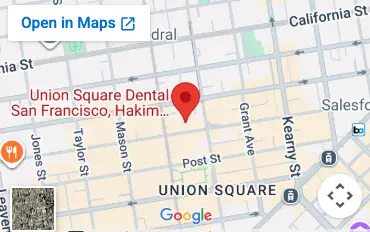
At Union Square Dental Practice, we provide personalized teeth whitening care for patients who want a brighter smile without compromising their oral health. Our downtown San Francisco practice is led by Dr. Mahsa Hakim and Dr. Nazanin Hakim, both graduates of the UCSF School of Dentistry. Before recommending treatment, we evaluate the cause of discoloration, gum and enamel health, existing restorations, and any history of sensitivity.
Because crowns, veneers, fillings, and implant restorations do not whiten like natural teeth, we carefully plan treatment to create a balanced, natural-looking result. When new restorations are needed, they can be matched to the stabilized shade of the whitened teeth. Our approach combines clinical experience, preventive care, patient education, and modern cosmetic dentistry.
Schedule a teeth whitening consultation at our downtown San Francisco office to discuss your goals and treatment options. We will explain the expected results, treatment timeline, possible sensitivity, and maintenance recommendations. Contact Union Square Dental Practice to arrange a consultation with Dr. Mahsa Hakim or Dr. Nazanin Hakim.