
By Dr. Mahsa & Nazanin Hakim, Dentists at Union Square Dental Practice in San Francisco
Key Takeaways
- General dentistry preserves long-term oral health by combining prevention, diagnosis, restorative care, periodontal management, and continuous monitoring of dental conditions.
- Early detection and individualized risk assessment can prevent caries, periodontal disease, fractures, and other oral problems from progressing into complex treatment needs.
- Long-term dental stability depends on proactive maintenance, conservative treatment, and regular monitoring instead of waiting for pain or visible dental damage.
General dentistry is much broader than routine examinations, cleanings, and fillings. In our practice, we approach it as the continuous management of the teeth, periodontal tissues, occlusion, oral mucosa, supporting bone, and other structures that influence oral function. Effective general dentistry requires identifying disease risk, monitoring biological changes, preserving natural tooth structure, and addressing problems before they become more complicated.
At Union Square Dental Practice in San Francisco, we view general dentistry as the foundation of lifelong oral healthcare. Our objective is not simply to repair individual teeth, but to preserve a healthy, stable, and maintainable oral environment over time. Through comprehensive diagnosis, preventive strategies, restorative care, periodontal management, and ongoing surveillance, we can make treatment decisions with a patient’s long-term prognosis in mind.

General Dentistry as Comprehensive Oral Healthcare
The Clinical Scope of General Dentistry
General dentistry encompasses the diagnosis, prevention, treatment, and long-term monitoring of conditions affecting the teeth and surrounding oral structures. In addition to dental caries, we evaluate periodontal disease, fractured teeth, pulpal pathology, occlusal dysfunction, tooth wear, erosion, failing restorations, soft-tissue abnormalities, and changes affecting the temporomandibular system. These conditions cannot always be evaluated independently because several biological and mechanical factors may be contributing simultaneously. Periodontal deterioration, for example, may influence whether a tooth is suitable for extensive restorative treatment, while excessive occlusal loading can affect the prognosis of both natural teeth and restorations. Reduced salivary function may significantly increase recurrent caries risk even in patients with previously stable dental histories. Comprehensive general dentistry therefore depends on integrating multiple clinical findings into a unified diagnosis and treatment strategy.
Coordinating Multidisciplinary Dental Care
Another important responsibility of the general dentist is coordinating treatment when specialty care becomes necessary. Patients may require the expertise of periodontists, endodontists, oral surgeons, orthodontists, prosthodontists, or other dental specialists at different stages of treatment. Referral does not mean that the general dentist’s role becomes less important because specialty treatment must still be integrated into the patient’s overall oral health plan. An implant placed by a surgical specialist, for example, requires careful restorative planning, appropriate prosthetic contours, suitable occlusal loading, and long-term maintenance. Similarly, a root canal may successfully resolve pulpal disease, but the treated tooth still requires an appropriate definitive restoration to reduce fracture and reinfection risks. We consider the biological, functional, and restorative implications of specialty treatment so that individual procedures contribute to a predictable overall result.
Preserving Future Treatment Options
One of the most important principles of comprehensive general dentistry is preserving future treatment options whenever possible. Dental procedures frequently involve irreversible alteration of enamel, dentin, periodontal tissues, or supporting structures, which means that unnecessary intervention can limit future choices. Early diagnosis frequently allows us to manage disease with more conservative treatment and retain a greater amount of healthy natural tissue. A relatively small carious lesion may require a limited restoration, whereas delayed treatment can result in pulpal involvement, root canal treatment, extensive reconstruction, or extraction. The same principle applies to periodontal disease because controlling inflammation before substantial attachment loss occurs generally produces a more favorable long-term prognosis. Our objective is therefore not to perform the greatest amount of dentistry possible, but to intervene strategically when treatment provides a meaningful biological or functional advantage.
Preventive Dentistry and Individualized Risk Assessment
Moving Beyond Standard Recall Schedules
Preventive dentistry is most effective when the frequency and intensity of care are determined by individual risk rather than a universal appointment schedule. Although six-month recall visits are common, the biology of dental disease does not operate according to the same timetable for every patient. We consider previous caries activity, periodontal history, plaque control, dietary patterns, salivary function, fluoride exposure, systemic health, medications, tobacco use, existing restorations, and several behavioral factors when establishing appropriate recall intervals. Patients with active periodontal disease or rapidly developing caries may require more frequent professional monitoring than patients who have remained clinically stable for many years. The purpose of maintenance visits is not simply to repeat a routine cleaning at predetermined intervals. Instead, the schedule should be designed to identify and disrupt disease processes before clinically significant damage occurs.
Evaluating Individual Caries Risk
Caries risk assessment is considerably more sophisticated than determining how frequently a patient brushes. Dental caries develops when acid-producing microorganisms metabolize fermentable carbohydrates within dental biofilm, repeatedly lowering the local pH and promoting mineral loss from tooth structure. Whether this process progresses to cavitation depends on the balance between pathological factors and protective mechanisms such as saliva, fluoride exposure, dietary patterns, bacterial ecology, and remineralization. A patient with impaired salivary function may therefore develop significant decay despite maintaining seemingly reasonable oral hygiene. Previous caries experience is also an important predictor because it provides evidence of an individual’s historical disease susceptibility. Depending on the risk profile, preventive strategies may include prescription-strength fluoride, dietary modification, remineralization measures, sealants, salivary management, or more frequent clinical monitoring.
Assessing Periodontal Disease Risk
Periodontal risk assessment also requires individualized clinical interpretation. Some patients demonstrate relatively limited periodontal destruction despite substantial plaque accumulation, while others experience considerable attachment loss because of a heightened inflammatory susceptibility. Factors such as diabetes, smoking, previous periodontal disease, genetic predisposition, inadequate plaque control, and local anatomical conditions can significantly influence progression. Patients who have already experienced periodontal attachment loss remain at increased risk of recurrent disease even after successful treatment. For this reason, periodontal maintenance intervals often need to be more frequent than standard preventive schedules. We monitor probing depths, bleeding, recession, mobility, furcation involvement, plaque accumulation, and radiographic bone levels over time to determine whether periodontal stability is being maintained.
Diagnostic Examinations and the Importance of Early Detection
Identifying Disease Before Symptoms Develop
Many oral diseases can progress considerably before producing pain or other symptoms that prompt a patient to seek treatment. Dental caries may develop beneath interproximal enamel or around existing restorations without causing noticeable sensitivity, while periodontal disease can destroy supporting tissues with little or no discomfort. Pulpal necrosis may also occur without severe pain, particularly when inflammation progresses gradually. Because symptoms do not reliably indicate disease severity, relying on pain as the primary reason for dental evaluation can result in delayed diagnosis. Our examinations are designed to identify biological and structural changes at earlier stages when treatment options may be more conservative. Clinical inspection, periodontal charting, radiographic imaging, pulpal testing, occlusal evaluation, and patient history all contribute different diagnostic information.
The Role of Dental Radiography
Radiographic evaluation remains an important component of comprehensive dental diagnosis because many clinically relevant structures cannot be visualized directly. Bitewing radiographs can provide valuable information regarding interproximal caries, recurrent decay around restorations, calculus deposits, and changes in crestal bone architecture. Periapical images allow us to evaluate roots, periapical tissues, endodontic treatment, periodontal support, and certain forms of pathology. Additional imaging modalities may be indicated when conventional images do not provide sufficient information for a specific diagnostic question. We prescribe imaging according to clinical necessity rather than using the same radiographic protocol indiscriminately for every patient. Comparison with previous images is particularly valuable because progressive changes are often easier to recognize when the current findings are evaluated against an established baseline.
Evaluating Oral Soft Tissues
Comprehensive dental examinations should also include systematic evaluation of the oral soft tissues. We assess the tongue, floor of the mouth, palate, gingiva, buccal mucosa, lips, and other visible structures for abnormalities that may require monitoring or further investigation. Many oral lesions are benign and transient, but persistent ulcerations, unusual pigmentation, induration, unexplained swelling, or other changes may warrant additional evaluation. Clinical interpretation depends on factors including appearance, location, duration, symptoms, medical history, and changes over time. When appropriate, referral for biopsy or specialist assessment may be recommended. Because dentists routinely examine areas of the oral cavity that patients may not easily inspect themselves, regular dental evaluations provide an important opportunity for ongoing soft-tissue surveillance.
Periodontal Health as the Foundation of Long-Term Tooth Retention
Understanding the Periodontal Supporting Structures
Healthy teeth cannot remain stable indefinitely without adequate periodontal support. The periodontium includes the gingiva, periodontal ligament, cementum, and alveolar bone that collectively anchor the teeth and distribute functional forces. Periodontitis involves inflammatory destruction of these supporting structures and can ultimately result in mobility and tooth loss when disease becomes advanced. Importantly, periodontal destruction may progress without significant pain, which is why patients cannot reliably judge periodontal health based solely on symptoms. Bleeding gums, although sometimes dismissed as a minor concern, can indicate persistent inflammation requiring further evaluation. We therefore regard periodontal assessment as a fundamental component of comprehensive general dentistry rather than an accessory to routine dental cleaning.
Diagnosing Periodontal Disease Accurately
Periodontal diagnosis requires considerably more information than measuring isolated pocket depths. We evaluate bleeding on probing, clinical attachment levels, gingival recession, tooth mobility, furcation involvement, plaque distribution, calculus accumulation, tissue architecture, and radiographic bone loss. The meaning of an individual probing measurement depends on the surrounding clinical context and whether progressive attachment loss has occurred. A deeper probing depth in an area with stable tissues may require a different approach from an equivalent measurement accompanied by bleeding and progressive bone loss. Historical records are particularly valuable because they help us determine whether periodontal changes are stable or advancing. Previous periodontal disease is itself an important risk indicator and should influence the long-term maintenance strategy.
Integrating Periodontal and Restorative Treatment
Periodontal health also plays an essential role in restorative treatment planning. Extensive crowns, bridges, veneers, implants, or other restorations are less predictable when placed in an environment with uncontrolled inflammation or inadequate periodontal support. Restoration contours and margins can also influence plaque retention and a patient’s ability to maintain effective hygiene. Poorly designed restorations may contribute to gingival inflammation, while appropriately contoured restorations can support healthier periodontal conditions. Before proceeding with major restorative treatment, we therefore evaluate whether the surrounding tissues are sufficiently stable to support the planned procedure. Biological stability should precede complex structural reconstruction whenever possible because the success of restorative dentistry depends heavily on the health of the surrounding tissues.
Restorative Dentistry and Preservation of Natural Tooth Structure
The Principles of Conservative Restorative Treatment
Restorative dentistry should not be understood simply as removing decay and replacing it with filling material. Every restorative procedure alters the mechanical characteristics of the treated tooth, particularly when significant quantities of enamel and dentin must be removed. As the volume of remaining natural tooth structure decreases, resistance to fracture can also decline. Modern restorative principles therefore emphasize preservation of healthy tissue whenever clinically feasible. Our goal is to remove irreversibly diseased or structurally compromised tissue while maintaining as much sound enamel and dentin as possible. This conservative approach helps preserve bonding substrates, tooth strength, pulpal health, and future restorative options.
Selecting Appropriate Restorative Materials
The selection of restorative material should be determined by the specific clinical environment rather than by a universal preference for one material. Composite resin, ceramic materials, gold, and other restorative options differ in their adhesive properties, strength, wear characteristics, esthetics, moisture sensitivity, and preparation requirements. We consider the size and location of the defect, amount of remaining tooth structure, occlusal loading, caries risk, periodontal health, esthetic expectations, and ability to achieve appropriate isolation. A small conservative restoration and a heavily loaded posterior tooth with extensive structural loss require very different strategies. In some situations, adhesive techniques allow us to preserve considerably more natural tooth structure than traditional full-coverage approaches. The most appropriate material is therefore the one that provides a predictable biological and mechanical solution for that individual clinical situation.
Monitoring Existing Restorations Over Time
Long-term restorative dentistry also involves evaluating existing restorations rather than automatically replacing them because of age. Dental restorations can remain clinically acceptable for many years when their margins, contacts, structure, and surrounding tissues remain stable. We evaluate restorations for recurrent caries, marginal deterioration, fracture, wear, loss of contact, occlusal problems, symptoms, and radiographic changes. Minor imperfections do not always require complete replacement, and unnecessary replacement can result in additional loss of healthy tooth structure. In selected cases, repair or continued observation may be more appropriate than complete removal of an otherwise serviceable restoration. Because each replacement procedure can enlarge the preparation, thoughtful monitoring helps reduce the cumulative restorative burden placed on a tooth throughout a patient’s lifetime.
Occlusion, Bruxism, and Mechanical Damage to Teeth
Understanding Functional and Parafunctional Forces
Teeth function in a mechanically demanding environment, and the forces placed on them can significantly influence structural longevity. Occlusion describes the way the upper and lower teeth contact during biting, chewing, swallowing, and functional mandibular movement. Parafunctional behaviors such as clenching and bruxism can subject teeth and restorations to repetitive forces that differ significantly from normal chewing. These forces may contribute to enamel wear, ceramic fracture, tooth cracking, muscle fatigue, and complications involving implant-supported restorations. Their effects vary depending on tooth anatomy, restorative history, periodontal support, skeletal relationships, and the magnitude and direction of loading. We therefore evaluate occlusion as one component of a broader mechanical risk assessment rather than assuming that all visible wear or fracture has the same cause.
Recognizing and Managing Cracked Teeth
Cracked teeth demonstrate why mechanical risk assessment is clinically important. A crack can begin as a relatively small structural defect and gradually propagate under repeated loading, particularly in teeth weakened by large restorations or loss of internal tooth structure. Symptoms may be inconsistent and can include discomfort during biting, sensitivity to temperature, or pain when pressure is released. Early diagnosis can significantly influence the available treatment options because a limited crack may still allow predictable restoration of the tooth. Once a fracture extends deeply into the root or compromises periodontal attachment, the prognosis can decline considerably. We therefore evaluate structural cracks in the context of symptoms, transillumination, bite testing, restorative history, periodontal findings, and occlusal forces.
The Role of Occlusal Appliances
Protective occlusal appliances can be useful for selected patients who demonstrate evidence of significant parafunctional loading. An appropriately designed appliance should distribute contact forces predictably while protecting vulnerable natural teeth and restorative materials. Appliance design involves considerably more than simply placing a layer of material between the upper and lower teeth. Retention, thickness, contact distribution, mandibular movement, material selection, and the patient’s existing occlusal condition all influence effectiveness. Poorly designed appliances may be uncomfortable or may produce undesirable changes if they are not monitored appropriately. We therefore regard occlusal guards as part of a broader management strategy that includes periodic reassessment of wear, symptoms, dental changes, and the appliance itself.

Endodontic Health and Preservation of Compromised Teeth
Diagnosing Pulpal Disease
The dental pulp contains vascular, neural, and connective tissues located within the rigid internal anatomy of the tooth. Deep caries, fractures, trauma, extensive restorative procedures, and bacterial contamination can cause inflammation that may eventually become irreversible. Determining the condition of the pulp requires more than asking whether a tooth hurts. Symptoms vary significantly, and some teeth with advanced pulpal disease may produce surprisingly little discomfort. We may use cold or heat testing, percussion, palpation, bite testing, radiographic examination, and a detailed symptom history when establishing a pulpal and periapical diagnosis. Accurate diagnosis is critical because endodontic treatment should be based on objective evidence and the overall clinical picture rather than on pain alone.
Restoring Teeth After Root Canal Treatment
Successful root canal treatment addresses infection or irreversible pulpal disease, but it does not automatically restore the structural integrity of the tooth. Many teeth requiring endodontic therapy have already lost substantial tooth structure because of decay, fractures, or previous restorations. Once treatment has been completed, we evaluate how much sound enamel and dentin remain and determine the most appropriate definitive restoration. Posterior teeth with significant loss of cuspal structure may require coverage designed to reduce fracture risk, while less compromised teeth may be suitable for more conservative bonded approaches. Posts are sometimes necessary to retain a core when little coronal tooth structure remains, but they do not inherently strengthen the tooth. Preserving root dentin remains important because unnecessary enlargement of the canal space can increase structural vulnerability.
Monitoring Endodontically Treated Teeth
Endodontically treated teeth should continue to be monitored after treatment rather than assumed to be permanently problem-free. Periapical healing can take time, and follow-up imaging may be appropriate to determine whether previously identified pathology is resolving. New symptoms, recurrent decay, coronal leakage, fracture, or persistent radiographic abnormalities may require additional evaluation. In complex cases, consultation with an endodontic specialist may be appropriate to assess retreatment or surgical options. The prognosis of the tooth depends not only on the technical quality of root canal treatment but also on periodontal support, restorability, structural condition, and the quality of the final restoration. Long-term decisions therefore require consideration of the entire tooth and its role within the broader dentition.
The Relationship Between Oral Health and Systemic Health
Integrating Medical History Into Dental Care
The oral cavity does not function independently from the rest of the body, and systemic health can significantly influence dental diagnosis and treatment. Diabetes, cardiovascular disease, autoimmune disorders, osteoporosis, cancer therapy, bleeding disorders, and many medications can affect oral tissues or alter clinical management. Poorly controlled diabetes, for example, may influence periodontal inflammation and wound healing, while certain medications can substantially reduce salivary flow. Anticoagulant and antiplatelet therapies may influence procedural planning, although medication changes should not be made without appropriate medical coordination. A comprehensive medical history is therefore a core component of general dental assessment. We routinely consider systemic diagnoses, medications, allergies, previous treatment, and relevant changes in health when planning dental care.
Salivary Function and Oral Disease Risk
Saliva is one of the most important protective factors within the oral environment. It provides lubrication, helps buffer acids, contributes to antimicrobial defense, assists in carbohydrate clearance, and supplies minerals that support remineralization of enamel. When salivary flow is substantially reduced, caries risk can rise dramatically even in patients who previously maintained stable oral health. Xerostomia may occur because of medications, autoimmune conditions, radiation therapy, dehydration, or other systemic factors. Patients with significant salivary dysfunction can develop rapidly progressing cervical and root-surface caries that requires more intensive preventive management. Depending on the cause and severity, strategies may include prescription-strength fluoride, dietary modification, salivary substitutes or stimulants, increased water intake, and shorter monitoring intervals.
Periodontal Inflammation and General Health
The relationship between periodontal disease and systemic health has been investigated extensively, particularly in relation to diabetes and inflammatory conditions. Associations between periodontal disease and various systemic disorders should be interpreted carefully because an association does not necessarily establish direct causation. Nevertheless, systemic inflammatory status, immune function, smoking, metabolic control, and health behaviors can influence periodontal disease susceptibility and progression. Patients with poorly controlled diabetes, for example, may demonstrate more significant periodontal inflammation and altered healing responses. Conversely, periodontal inflammation represents a chronic inflammatory burden that warrants appropriate treatment and maintenance. We approach these relationships scientifically, recognizing the importance of interdisciplinary care without making unsupported claims that dental treatment independently prevents or cures unrelated systemic disease.
Dental Imaging and Technology in General Dentistry
Strategic Use of Diagnostic Imaging
Modern dental imaging can provide detailed information that significantly improves diagnosis when used appropriately. Digital radiography allows efficient visualization of structures that cannot be inspected directly and facilitates comparison with previous examinations. Cone-beam computed tomography can provide three-dimensional information regarding bone anatomy, root configuration, impacted teeth, implant sites, and selected pathological conditions. However, more imaging does not automatically produce better care, and advanced imaging should be prescribed when it is likely to answer a specific clinical question. Radiation exposure and diagnostic benefit must always be considered together. We therefore use imaging strategically rather than adopting a standardized approach that ignores individual clinical circumstances.
Digital Documentation and Longitudinal Monitoring
Intraoral photography and digital scanning have become increasingly useful for documenting dental changes over time. High-quality photographs can record cracks, recession, wear, restorative defects, tissue changes, and esthetic concerns in a format that can be compared during future examinations. Digital scans can preserve detailed information about tooth position, occlusal relationships, restorative anatomy, and changes in the shape of the dentition. When progressive wear or tooth movement occurs slowly, these records can provide objective evidence that may not be apparent from memory alone. Digital documentation also improves communication by allowing patients to visualize many of the conditions being discussed. Better documentation can therefore strengthen both diagnostic decision-making and informed consent.
Technology as an Adjunct to Clinical Judgment
Digital tools, artificial intelligence-supported imaging systems, scanners, and advanced planning technologies can improve efficiency and assist with pattern recognition, but they do not replace clinical judgment. A computerized system may identify an area of potential radiographic concern, yet the finding must still be interpreted in relation to the patient’s symptoms, examination, previous records, and risk profile. Conversely, a subtle abnormality may be clinically significant even when it does not trigger automated detection. Technology is most valuable when it complements a careful examination rather than becoming the sole basis for treatment recommendations. We use digital tools to improve diagnostic accuracy, documentation, planning, and communication while maintaining clinical responsibility for interpreting the information. Dentistry remains fundamentally dependent on biological understanding and individualized decision-making.
Why Continuity of Care Changes Long-Term Outcomes
Building a Longitudinal Dental Record
One of the most valuable aspects of an ongoing relationship with a general dentist is the ability to accumulate meaningful longitudinal information. A single examination provides a snapshot of oral health, whereas several years of examinations reveal patterns, trends, and rates of progression. This distinction is especially important when a finding does not immediately require treatment. A small crack, slight recession, early radiographic lesion, or isolated periodontal change may initially be monitored rather than treated. Comparison with future records can then demonstrate whether the condition is stable or progressing. Treatment decisions become considerably more precise when they are based on documented changes rather than on assumptions derived from a single clinical encounter.
Understanding Individual Responses to Treatment
Continuity also allows us to evaluate how each patient responds to previous treatment and preventive recommendations. We can determine whether certain restorative materials have performed predictably, whether periodontal maintenance has maintained stability, or whether recurrent disease continues despite prior intervention. Patterns of fracture, caries, plaque accumulation, or restorative deterioration can significantly influence future planning. For example, a patient with repeated structural fractures may benefit from a different approach to occlusal protection than someone whose restorations remain stable under similar circumstances. Historical treatment outcomes provide clinically meaningful information that cannot be obtained from generalized statistics alone. Individual dental history is therefore one of the most useful tools available for improving future decision-making.
Preventing Both Undertreatment and Overtreatment
Longitudinal records also help us avoid unnecessary dental intervention. Not every stain, irregular margin, aging restoration, minor enamel defect, or radiographic variation requires immediate treatment. When previous images and clinical records demonstrate that a finding has remained unchanged for several years, continued monitoring may be more appropriate than performing an irreversible procedure. Conversely, documented progression may justify intervention even when the patient remains asymptomatic. This distinction is central to conservative dentistry because both delayed treatment and unnecessary treatment can carry biological consequences. Our goal is to intervene when the expected benefit exceeds the biological cost while continuing to observe findings that remain stable.
General Dentistry and the Prevention of Complex Dental Rehabilitation
Interrupting Progressive Dental Breakdown
Extensive dental rehabilitation rarely develops from a single isolated problem. More commonly, it results from a sequence of smaller disease processes and structural failures that accumulate over many years. Untreated caries may lead to increasingly large restorations, pulpal disease, fractures, root canal treatment, and eventual tooth loss. Periodontal disease can gradually reduce supporting bone until restorative options become significantly more complicated. Missing teeth may alter tooth position, load distribution, or functional relationships in certain patients. General dentistry aims to identify and interrupt these processes early enough to prevent multiple problems from converging into a complex reconstructive situation.
Preserving Natural Structures Early
Preserving a tooth earlier in the disease process generally provides more treatment options than attempting to restore it after extensive structural loss. Controlling caries risk before performing multiple restorations is more predictable than repeatedly replacing restorations while the underlying disease process remains active. Stabilizing periodontal inflammation before crown or implant therapy creates a healthier biological foundation for those restorations. Identifying parafunctional loading before repeated fractures occur may also help protect vulnerable tooth structure and restorative materials. These preventive interventions are sophisticated clinical decisions because they require anticipation of future disease rather than simply reacting to existing damage. This is why general dentistry should never be regarded as synonymous with basic or uncomplicated dentistry.
Stabilizing Patients Before Comprehensive Reconstruction
Some patients eventually require extensive rehabilitation because of trauma, advanced disease, developmental conditions, severe wear, or longstanding structural damage. Even when complex reconstruction becomes necessary, general dental principles remain essential to establishing a stable foundation for treatment. Active caries, uncontrolled periodontitis, inadequate hygiene, or unaddressed parafunction can compromise even technically excellent restorative work. Before proceeding with definitive reconstruction, we therefore focus on disease control and development of an oral environment that the patient can realistically maintain. Long-term treatment success depends as much on controlling the reasons for previous breakdown as it does on the technical quality of the new restorations. Comprehensive rehabilitation is most predictable when biological and mechanical risks are managed before definitive treatment begins.
Long-Term Maintenance After Dental Treatment
Treatment Does Not End With the Procedure
A filling, crown, implant, root canal, or periodontal procedure should not be viewed as the final stage of dental care. All dental treatment functions within a biological environment that continues to change because of aging, diet, oral hygiene, medication use, systemic health, and mechanical loading. Restorative margins remain exposed to bacterial biofilm, periodontal tissues remain vulnerable to inflammation, and natural teeth and prosthetic materials continue to experience functional forces. Even technically excellent treatment can develop complications if the surrounding biological conditions change. Maintenance is therefore an integral component of treatment rather than an optional service performed afterward. We design long-term monitoring protocols with the same attention we apply to initial diagnosis and treatment planning.
Maintaining Dental Implants
Dental implants demonstrate particularly clearly why ongoing maintenance matters. Implants cannot develop conventional dental caries, but the tissues surrounding them can still develop inflammatory disease capable of affecting supporting bone. Implant-supported restorations are also subject to mechanical complications involving components, restorative materials, and occlusal loading. Plaque control, tissue evaluation, radiographic assessment when appropriate, and monitoring of the prosthetic restoration are therefore important components of implant maintenance. Certain implant contours can make home care more challenging, particularly when prosthetic designs create difficult-to-access areas. Implant longevity depends not only on surgical integration but also on the continued health and mechanical stability of the surrounding environment.
Maintaining Restored Natural Teeth
Natural teeth with crowns, fillings, root canal treatment, or other restorations also require regular monitoring. A crown may protect weakened tooth structure, but recurrent decay can still develop around the restoration margin when plaque and caries risk remain uncontrolled. Endodontically treated teeth can develop fractures, new caries, periodontal problems, or complications involving their restorations. Teeth previously affected by periodontal disease remain susceptible to recurrence even after successful therapy. Monitoring allows us to identify these changes at an earlier stage when treatment may be less extensive. Long-term oral health therefore results from a continuing cycle of examination, prevention, treatment when necessary, and reassessment rather than from a single successful procedure.
What Comprehensive General Dentistry Means for Lifelong Oral Health
Moving From Reactive to Proactive Dental Care
The most meaningful distinction in long-term dentistry is the difference between reactive and proactive care. Reactive dentistry primarily addresses symptoms and structural failure after disease has already become clinically significant. Although emergency treatment will always remain necessary in some situations, relying exclusively on pain-driven dental visits frequently results in increasingly invasive procedures over time. Proactive general dentistry focuses instead on identifying risk factors, monitoring early changes, stabilizing disease, and protecting vulnerable structures before extensive damage develops. This approach can substantially reduce the cumulative biological burden associated with repeated restorative treatment. The purpose of prevention is therefore not merely to avoid dental emergencies but to maintain a stable oral environment over decades.
Preserving Biological and Structural Integrity
For us, successful long-term dentistry means maintaining periodontal health, controlling caries activity, preserving natural tooth structure, protecting functional stability, and limiting irreversible procedures to situations in which their expected benefit is clear. Dentistry frequently involves removing or modifying tissues that cannot be regenerated completely once lost. Enamel removed during a preparation will not grow back, and periodontal attachment destroyed by disease may not be fully recoverable. Conservative decision-making is therefore a clinical necessity rather than simply a preference for performing less treatment. Every procedure should be considered not only in terms of its immediate result but also in terms of how it affects future treatment options. Preserving biological and structural integrity today can substantially improve the predictability of care later in life.
Creating a Sustainable Long-Term Treatment Strategy
A sustainable dental plan must account for a patient’s current health, historical disease patterns, future risks, lifestyle, ability to maintain restorations, and long-term treatment priorities. The most sophisticated treatment is not necessarily the most extensive treatment available. In many situations, the optimal strategy is the one that controls disease while preserving healthy tissue and maintaining flexibility for future care. General dentistry provides the framework for making these decisions because it integrates preventive, restorative, periodontal, endodontic, functional, and diagnostic considerations. At Union Square Dental Practice, we use this comprehensive perspective to guide treatment rather than focusing exclusively on individual teeth or isolated procedures. Long-term success depends on ensuring that each intervention contributes to a healthy, functional, and maintainable oral system.
To Conclude
At Union Square Dental Practice in San Francisco, we view general dentistry as the clinical foundation of long-term oral health. Its purpose extends far beyond treating cavities or performing routine cleanings because comprehensive care requires ongoing evaluation of disease activity, periodontal stability, tooth structure, function, restorations, and individual risk. By diagnosing problems early, preserving natural tissues, controlling biological and mechanical risk factors, and monitoring changes over time, we can often reduce the likelihood that small dental concerns develop into extensive problems.
Our goal as dentists is to help patients retain healthy, functional, and maintainable teeth for as long as possible. General dentistry makes that possible by combining careful diagnosis, preventive care, conservative treatment, and long-term surveillance into a continuous strategy rather than a series of isolated procedures. When this approach is maintained consistently, dental care becomes less about repeatedly repairing damage and more about preserving oral health throughout the patient’s lifetime.

Comprehensive General Dentistry at Union Square Dental Practice
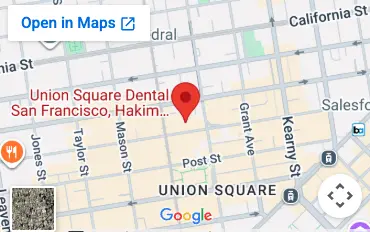
At Union Square Dental Practice in downtown San Francisco, we approach general dentistry as an ongoing partnership focused on prevention, early diagnosis, functional stability, and long-term preservation of natural teeth. Our practice is led by Dr. Mahsa Hakim and Dr. Nazanin Hakim, both graduates of the UCSF School of Dentistry who have served the San Francisco community for more than two decades. We combine clinical experience with patient education, preventive dentistry, and modern dental technology so that treatment decisions are based not only on immediate concerns but also on each patient’s long-term oral health. Our general and cosmetic dental services include dental cleanings, fillings, crowns, implants, dentures, nightguards, sedation dentistry, Invisalign treatment, veneers, teeth whitening, Botox treatment, and All On 4 treatment. By evaluating oral health comprehensively, we can help patients address existing dental problems while also reducing the risk of future complications.
If you are looking for a general dentist in San Francisco who can help you protect your oral health over the long term, we invite you to learn more about our general dentistry services at Union Square Dental Practice and schedule an appointment with our team.
Whether you need preventive care, restorative treatment, cosmetic dentistry, or a comprehensive evaluation of your current dental health, we can develop a treatment plan based on your clinical needs and goals. Contact Union Square Dental Practice to schedule your visit and take a proactive approach to protecting the health, function, and appearance of your smile.