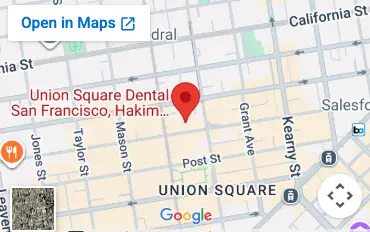
By Dr. Mahsa Hakim & Dr. Nazanin Hakim, Union Square Dental Practice, San Francisco
Key Takeaways
- Invisalign treatment moves teeth with custom clear aligners, bonded attachments, and digitally staged orthodontic force.
- Successful Invisalign treatment depends on accurate case selection, careful biomechanical planning, and consistent daily aligner wear.
- Stable Invisalign results require refinement when needed, long-term retainer use, periodontal monitoring, and a well-balanced final bite.
In our practice, we regularly meet patients who want orthodontic correction but are hesitant about the visibility, feel, and maintenance demands of conventional fixed appliances. Invisalign has changed that discussion by allowing us to treat many orthodontic concerns with a digitally planned, removable aligner system that fits more comfortably into adult and adolescent lifestyles. From a clinical standpoint, Invisalign is far more than a cosmetic substitute for braces.
It is a sophisticated biomechanical treatment system that depends on precise diagnosis, thoughtful case selection, advanced planning, and excellent patient compliance. When used appropriately, it can provide highly controlled tooth movement while preserving esthetics and simplifying oral hygiene. In this guide, we explain Invisalign from a professional perspective so patients can better understand treatment, candidacy, limitations, and what supports a stable, predictable result.
What Invisalign Is and How It Works
Invisalign is a clear aligner system that moves teeth through a sequence of custom-made trays. Each aligner is designed to represent a specific stage of tooth movement based on a digital treatment plan. Instead of brackets and wires, the system uses controlled pressure delivered through intimate contact with the teeth. Additional features such as attachments, pressure points, or elastics may be incorporated when needed. This allows us to plan gradual and biologically appropriate movement over time.
Biologically, tooth movement occurs because sustained force stimulates remodeling in the periodontal ligament and surrounding bone. The aligners guide that process by creating small discrepancies between the current and intended tooth position. That said, teeth do not always move exactly as digital software predicts. Biology, compliance, occlusal interference, and attachment retention all affect treatment progress. For that reason, Invisalign must be actively monitored and adjusted by a trained clinician. It is not an automatic process simply because it is digitally planned.
Why Adults and Professionals Often Prefer Invisalign
One of the most common reasons adults choose Invisalign is its discreet appearance. In a professional environment, many patients prefer an orthodontic option that does not significantly alter their smile during treatment. Clear aligners are low-profile and generally much less visible than braces in meetings, photographs, and everyday conversation. This makes them particularly appealing to adults who postponed orthodontic care earlier in life. Esthetics alone, however, are not the only reason patients are drawn to the system.
Invisalign also offers practical lifestyle advantages. Because the aligners are removable, patients can eat normally and maintain their usual oral hygiene routine with fewer obstacles. This is especially helpful for adults with restorations, periodontal concerns, or a strong commitment to preventive care. Soft tissue irritation is often reduced compared with braces, and many patients adapt to the trays quickly. Still, the removable design has a trade-off: it requires discipline. In our experience, the best outcomes occur in motivated patients who are consistent with wear.
The Importance of Case Selection
Not every orthodontic problem is ideally suited for Invisalign. Many cases involving crowding, spacing, relapse, and mild to moderate bite correction can be managed very effectively with aligners. However, more complex malocclusions may require a more advanced strategy or a different treatment modality entirely. Significant skeletal discrepancies, difficult rotations, major vertical problems, and demanding root movements can all reduce predictability. That does not mean Invisalign cannot be used, but it does mean the case must be selected thoughtfully.
We also evaluate far more than tooth alignment alone. Periodontal stability, enamel condition, restorations, caries risk, parafunction, and patient compliance history all influence whether Invisalign is appropriate. A patient with poor oral hygiene or untreated periodontal disease may not be a good candidate for active orthodontic movement at that moment. Likewise, a removable system is less suitable when compliance is doubtful. Good case selection protects both the patient and the quality of the final result. In sophisticated aligner therapy, proper indication is one of the foundations of success.
Diagnostic Records and Initial Assessment
A proper Invisalign assessment begins with detailed diagnostic records. We evaluate facial proportions, smile arc, midlines, arch form, overbite, overjet, and posterior occlusion. We also assess soft tissues, gingival architecture, recession, wear patterns, and any signs of instability. Intraoral scans or impressions provide precise digital models of the dentition. Photographs and radiographs then help us analyze both esthetic and structural factors before planning movement.
This process often reveals issues that are not obvious to the patient. A case that looks like simple crowding from the front may actually involve bite collapse, asymmetry, or root positioning challenges. Similarly, a patient requesting only cosmetic straightening may have a deep bite or crossbite that should be addressed for long-term stability. These details matter because treatment should be designed around the whole occlusal system, not only visible front teeth. Invisalign planning is only as good as the diagnosis behind it. That is why we treat the initial consultation as a comprehensive orthodontic evaluation.
Digital Treatment Planning and the Clinician’s Role
One of Invisalign’s most valuable features is the ability to digitally simulate treatment before it begins. Using the planning software, we can sequence movement, place attachments, decide whether interproximal reduction is indicated, and estimate the overall progression of the case. This creates a highly visual roadmap and helps patients understand the intended outcome. However, the software is only a tool. The quality of the plan depends entirely on the clinician directing it.
We do not accept digital setups passively. We adjust staging, anchorage, overcorrections, and movement priorities based on our clinical understanding of biomechanics and treatment response. Certain movements must be slowed down, supported, or deferred if we want them to track predictably. In other cases, we anticipate likely refinement needs from the beginning. This is why experienced oversight is essential. Invisalign is digitally advanced, but the success of the treatment still depends on clinical judgment.
Biomechanics of Tooth Movement with Aligners
Aligner biomechanics differ meaningfully from braces biomechanics. With fixed appliances, force is delivered through brackets, wires, and auxiliary components. With aligners, force depends on how the tray fits and how the programmed shape differs from the current position of the teeth. This means tray adaptation, material behavior, trim design, and aligner seating all matter. Some movements are highly efficient with aligners, while others are less straightforward. Understanding these distinctions is critical to good treatment planning.
Simple tipping and alignment are often very predictable with Invisalign. More complex movements such as bodily translation, extrusion, root torque, and derotation of rounded teeth can be more difficult. Those movements often require attachments, staging adjustments, auxiliaries, or refinement phases. If these challenges are not anticipated early, treatment may appear successful superficially while remaining incomplete biomechanically. In our practice, we plan with these limitations in mind from the beginning. That allows us to make the treatment more realistic, stable, and precise.
Attachments, Elastics, and Auxiliary Mechanics
Attachments are often essential to successful Invisalign treatment. These small bonded composite shapes help the aligners grip teeth more effectively and generate more precise force vectors. Different attachment designs are used depending on whether we need retention, extrusion, rotational control, or root movement support. Patients sometimes worry about visibility, but attachments are still far less noticeable than conventional braces. More importantly, they often make the difference between limited improvement and a well-executed result.
Elastics and other auxiliaries can also be very important. Interarch elastics may be used to improve bite relationships, settle occlusion, or support Class II or Class III correction in selected cases. Interproximal reduction can create space conservatively when crowding is present. In more advanced cases, a hybrid strategy that includes limited fixed appliances may be appropriate. We explain these options clearly because Invisalign is not just a set of trays. It is a complete treatment system that often relies on multiple mechanical elements working together.
Conditions Invisalign Can Treat Effectively
Invisalign can address a wide range of orthodontic concerns when the treatment is planned carefully. Common indications include crowding, spacing, relapse after previous orthodontics, mild to moderate bite discrepancies, and selected crossbite presentations. It can also be highly useful in multidisciplinary dentistry when we need to reposition teeth before veneers, implants, or other restorative treatments. For adult patients, this can be especially valuable because aligners support good hygiene while allowing precise pre-restorative movement. The digital setup is also useful for visualizing the intended outcome before treatment starts.
Still, the ability to treat a condition does not mean every case should be approached the same way. We judge success by more than visible alignment. Root positioning, posterior contacts, gingival response, torque control, and stability all matter. A smile may look improved from the front while still lacking a well-resolved occlusion. Our objective is always to align esthetics with function. Invisalign is most effective when used as part of a comprehensive clinical plan rather than as a purely cosmetic service.
Limitations and When Traditional Braces May Be Better
Although Invisalign is highly capable, it is not always the best tool for every case. Some orthodontic problems are still managed more predictably with traditional fixed appliances. Severe skeletal discrepancies, difficult extrusion, impacted teeth, major root paralleling issues, and certain open bite mechanics may favor braces. Fixed appliances can offer more continuous force delivery and more direct control in these situations. In some patients, that makes treatment more efficient and more reliable.
Compliance is another major factor in choosing between aligners and braces. Because aligners are removable, they depend heavily on consistent patient behavior. If wear time is irregular, treatment quality and timeline can both be affected. In those cases, fixed appliances may provide a more dependable path to the intended result. We are always honest when braces would serve the patient better. The most appropriate treatment is the one that offers the best balance of predictability, function, esthetics, and long-term stability.
The Treatment Timeline and What Patients Should Expect
The length of Invisalign treatment varies from case to case. Some minor alignment issues can be corrected in a relatively short period, while more comprehensive treatment may take much longer. At the start, we provide an estimate based on the digital plan and the complexity of the movements required. Still, timelines are not absolute. Biological response, compliance, tracking, and refinement needs can all alter the original estimate.
Regular review appointments remain an important part of the process. At these visits, we assess aligner fit, attachment integrity, oral hygiene, and the way the bite is developing. If needed, we adjust the plan, change the wear schedule, or rescan for refinements. Invisalign is therefore not passive treatment simply because the trays are pre-manufactured. It requires supervision throughout the active phase. The closer the treatment is monitored, the more efficiently small deviations can be corrected.
Daily Wear, Compliance, and Patient Responsibility
Patient compliance is one of the most important variables in Invisalign success. The aligners need to be worn for most of the day and removed only for meals, drinks other than water, and oral hygiene. If they are worn inconsistently, tooth movement becomes less predictable and aligner fit may be compromised. This can lead to delays, poor tracking, and the need for additional refinement. Because the appliance is removable, responsibility shifts more heavily to the patient.
In practice, noncompliance often develops through small habits rather than major neglect. Frequent snacking, delayed tray changes, inconsistent nighttime wear, and failure to seat aligners properly can all affect results. Patients with busy professional or social schedules sometimes underestimate how much routine discipline Invisalign requires. For that reason, we discuss compliance in practical and realistic terms from the beginning. Patients who approach treatment with consistency usually do very well. Those who treat wear time casually often experience preventable complications.
Oral Hygiene, Aligner Care, and Periodontal Considerations
One of the advantages of Invisalign is that patients can remove the appliance to brush and floss normally. This can make hygiene easier than it is with braces, especially for adults with crowns, implants, gingival recession, or periodontal sensitivity. However, removable treatment is not automatically low-risk. If plaque remains on the teeth and the trays are reinserted, the aligners can trap bacteria and prolong acid exposure. That increases the importance of good daily hygiene rather than reducing it.
Aligner care is equally important. Trays should be cleaned regularly and handled properly to preserve clarity and fit. Heat exposure can distort the plastic, and staining beverages can discolor the aligners if worn inappropriately. We are also careful to monitor periodontal response throughout treatment, especially in adults with reduced bone support or recession risk. Orthodontic movement must be coordinated with periodontal health at all times. A good result is not only straight, but also healthy and stable.
Discomfort, Speech, and Lifestyle Adaptation
Invisalign is often more comfortable than braces, but that does not mean it is sensation-free. Most patients feel pressure or tenderness when beginning a new aligner, especially in the first few days. This is generally a normal sign that orthodontic force is being applied. Soft tissue irritation is often less severe than with brackets and wires, but it can still occur in some cases. Setting realistic expectations helps patients adapt more confidently.
Speech changes are also common at the beginning, particularly for patients whose work involves frequent speaking. Some patients notice a slight lisp initially, especially with trays affecting the anterior teeth. Fortunately, most adapt quickly with consistent wear and normal conversation. Lifestyle adjustments usually involve meal planning, safe storage of aligners, and more structured wear habits. These changes are manageable, but they are still meaningful. The more smoothly patients adapt early on, the more successful treatment tends to be.
Refinements, Midcourse Corrections, and Finishing Quality
Refinements are a common and normal part of Invisalign treatment. Even with excellent planning, not every movement expresses itself perfectly in the first series of aligners. Variations in biology, compliance, and tooth anatomy can affect tracking. When that happens, we rescan and create an updated aligner sequence to improve the remaining details. This may involve better rotation control, bite refinement, root positioning, or final alignment.
The finishing phase is extremely important clinically. A patient may feel ready to stop once the teeth look better cosmetically, but the final details often determine the true quality of the result. Posterior contacts, torque, marginal ridge levels, and functional occlusion all matter. In some cases, we also use detailing elastics or coordinate with restorative treatment during this phase. We prefer to finish thoroughly rather than prematurely. High-quality orthodontic care depends as much on finishing precision as it does on initial alignment.
Retention and Long-Term Stability
Active treatment is only one part of orthodontic care. Once teeth have been moved, retention is necessary to help maintain the result. Teeth naturally tend to shift over time, particularly while supporting tissues reorganize after movement. Without retainers, relapse can occur even after a well-finished Invisalign case. For that reason, we consider retention an essential phase rather than an optional one.
The retention plan depends on the patient’s occlusion, crowding history, habits, and periodontal condition. In some cases, bonded retention is useful in selected areas, while in others removable retainers are entirely appropriate. We also explain that retention is effectively lifelong in principle. Teeth continue to respond to age, function, and surrounding structures over time. Patients who understand this are far more likely to preserve their results well. Long-term stability requires both good treatment and responsible maintenance.
Invisalign for Adults with Restorative or Cosmetic Goals
Many adult patients pursue Invisalign as part of a broader treatment plan rather than as a stand-alone service. They may be preparing for veneers, implants, or other cosmetic and restorative procedures. In these situations, aligners can help reposition teeth before restorative work begins. This often creates more ideal spacing, better symmetry, and a more conservative restorative pathway. In many cases, limited orthodontic movement allows us to reduce how invasive the restorative phase needs to be.
From a clinical perspective, this interdisciplinary use of Invisalign is extremely valuable. We can plan movement around final smile design, restorative space, contact relationships, and gingival architecture. That makes the final dental work more precise and often more conservative. Patients are often surprised by how much a modest amount of tooth movement can improve restorative possibilities. Invisalign therefore plays an important role in comprehensive adult dentistry. It is not only about straightening teeth, but also about improving the conditions for everything that follows.
Cost, Value, and Choosing the Right Provider
The cost of Invisalign varies depending on complexity, treatment duration, refinement needs, and the level of professional supervision involved. Patients sometimes compare fees as though all Invisalign treatment is equivalent, but clinically that is not the case. The trays themselves are only one part of the service. Diagnosis, planning, monitoring, finishing, and retention all contribute to the quality and value of the treatment. A lower fee may reflect reduced oversight rather than true efficiency.
Choosing the right provider is therefore critical. Patients should look for someone who evaluates the full bite, explains limitations honestly, and plans treatment with both esthetics and function in mind. Experience with aligner biomechanics, restorative implications, and long-term stability makes a significant difference. We believe patients should feel confident that their provider is directing treatment actively rather than simply dispensing trays. Invisalign works best when it is treated as a serious clinical process. The provider’s judgment is one of the most important factors in the final result.
To Conclude
Invisalign is one of the most significant developments in modern orthodontic care. It offers an effective and highly esthetic way to correct many forms of malocclusion while fitting more comfortably into adult life. At the same time, it should not be viewed as effortless or universally simple. Predictable outcomes depend on diagnosis, biomechanics, compliance, and finishing quality. In other words, the trays matter, but the clinical process matters more.
As dentists at Union Square Dental Practice in San Francisco, we view Invisalign as a sophisticated treatment modality that must be planned and supervised carefully. When used appropriately, it can improve smile esthetics, support functional goals, and integrate beautifully with broader restorative care. The key is personalized treatment grounded in professional judgment rather than generic promises. Patients deserve a plan that is biologically sound, technically precise, and realistic from the beginning. When that standard is met, Invisalign can be an outstanding treatment option.

Invisalign Treatment at Union Square Dental Practice
At Union Square Dental Practice, we take a comprehensive and highly personalized approach to Invisalign treatment. We believe orthodontic care should support not only a straighter smile, but also long term oral health, functional balance, and patient confidence. As dentists serving downtown San Francisco, we combine clinical experience, modern technology, and detailed treatment planning to deliver results that are both aesthetic and stable. Dr. Mahsa Hakim and Dr. Nazanin Hakim, both graduates of the UCSF School of Dentistry, bring more than two decades of experience serving the San Francisco community. Invisalign in our practice is never treated as a one size fits all cosmetic solution.
Because we provide both general and cosmetic dentistry, we can evaluate Invisalign as part of a patient’s overall dental health and smile goals. Whether you are seeking treatment for mild crowding, orthodontic relapse, or a broader smile improvement, we offer clear guidance and individualized care at every step. Our goal is to help you understand your options and choose the treatment approach that best fits your needs. If you are considering Invisalign, we invite you to schedule a consultation at Union Square Dental Practice and take the next step toward a healthier, more confident smile.