By Dr. Mahsa Hakim & Dr. Nazanin Hakim, Union Square Dental Practice, San Francisco
Key Takeaways
- Cosmetic dentistry must improve appearance without compromising tooth structure, gum health, bite stability, comfort, or long-term oral function.
- Whitening, bonding, veneers, crowns, orthodontics, implants, and gum contouring require individualized diagnosis, careful sequencing, and appropriate material selection.
- Long-lasting cosmetic dentistry depends on conservative treatment, realistic smile goals, controlled bite forces, excellent hygiene, and regular professional maintenance.
Cosmetic dentistry extends far beyond making teeth appear whiter or more symmetrical. In our practice, we evaluate the smile as part of a biological and functional system involving enamel, dentin, periodontal tissues, occlusion, facial proportions, lip dynamics, and patient-specific expectations. Every cosmetic recommendation must preserve health, support long-term stability, and respect the structural limits of the natural dentition. A beautiful result is only successful when it also feels comfortable, functions predictably, and remains maintainable.
As dentists at Union Square Dental Practice in San Francisco, we approach smile enhancement through diagnosis, conservative treatment planning, and advanced restorative principles. This guide explains the treatments, benefits, limitations, materials, and clinical decisions that shape cosmetic dentistry while helping patients define realistic, individualized smile goals.
Understanding the Scope of Cosmetic Dentistry
Cosmetic Improvement as a Clinical Discipline
Cosmetic dentistry can modify tooth color, contour, size, position, symmetry, and surface texture. It can also improve the appearance of the gumline and overall smile balance. Many cosmetic procedures overlap with restorative dentistry because damaged or worn teeth may affect both appearance and function. We therefore evaluate the entire oral system rather than focusing only on visible surfaces. This includes enamel quality, pulpal health, periodontal support, and bite forces. The objective is to create an attractive result without weakening the natural dentition.
Esthetics, Function, and Biology
Cosmetic treatment should not compromise biological health for a faster visual change. Excessive enamel removal or poorly designed restorations can cause sensitivity, inflammation, recession, or fracture. We preserve as much healthy tooth structure as possible. Orthodontics, whitening, contouring, or additive bonding may sometimes be preferable to crowns or veneers. Restorations must also tolerate normal chewing and parafunctional forces. The most predictable results combine esthetics with tissue health, comfort, phonetics, and stable occlusion.
Defining Personalized Smile Goals
Translating Preferences Into Clinical Objectives
Every patient has a different idea of an ideal smile. Some want lighter teeth, while others are concerned about spacing, asymmetry, worn edges, or gum display. We ask patients what they notice during conversation, smiling, and photography. This helps us determine whether the concern involves one tooth or the entire smile. We also discuss whether the desired result should be subtle or transformative. Subjective preferences must be converted into measurable clinical objectives before treatment begins.
Setting Realistic Expectations
A cosmetic plan must account for anatomy, dental health, existing restorations, time, budget, and maintenance. Not every irregularity needs correction because a slight variation often looks natural. We explain which changes are predictable and which require multidisciplinary care. Longer teeth, for example, may require evaluation for wear, deep bite, or altered gum position. Very bright restorations may not harmonize with neighboring teeth or facial features. Clear expectations help prevent overtreatment and improve long-term satisfaction.
Comprehensive Cosmetic Dental Evaluation
Diagnostic Examination and Risk Assessment
Before recommending cosmetic treatment, we examine the teeth, gums, bone, bite, and existing dental work. Cavities, periodontal disease, infection, cracks, and erosion should be treated first. We assess enamel because it provides the most reliable surface for adhesive bonding. Recession, mobility, root exposure, and attachment loss may also influence treatment choices. Radiographs can reveal hidden decay, bone loss, or defective restorations. This evaluation ensures that cosmetic work is placed on a stable foundation.
Facial and Smile Analysis
A cosmetic assessment includes the face, lips, gumline, and tooth display. We evaluate dental midlines, facial symmetry, incisal edge position, and the orientation of the bite plane. Tooth proportions are analyzed in relation to neighboring teeth rather than a rigid mathematical formula. Gingival levels and papilla height can strongly affect the final appearance. We may also assess speech and the relationship between the teeth and lower lip. These findings identify whether the primary concern involves color, position, shape, or tissue architecture.
Digital Smile Design and Visualization
Digital Planning
Digital smile design uses photographs, intraoral scans, and facial references to evaluate possible changes. It allows us to study tooth proportions, gingival levels, midlines, and incisal edge positions. Digital tools also improve communication with patients, specialists, and dental laboratories. Proposed designs can be modified before treatment begins. Complex cases may integrate orthodontic, implant, periodontal, and restorative planning. Technology supports clinical judgment but does not replace it.
Mock-Ups and Prototypes
A diagnostic mock-up allows the proposed smile design to be tested directly in the mouth. Temporary material can be added to selected teeth without irreversible preparation. Patients can evaluate tooth length, speech, lip support, and overall appearance. We can also assess bite contacts and available restorative space. A mock-up may show that less treatment is needed than originally expected. It provides a useful reference for preparation, provisional restorations, and final laboratory work.
Professional Teeth Whitening
How Whitening Works
Professional whitening uses peroxide-based materials to break down pigments within enamel and dentin. The response depends on the cause of discoloration and the original tooth shade. Yellow or age-related staining often responds better than certain gray or developmental stains. Crowns, veneers, and fillings do not whiten like natural teeth. Visible restorations may therefore need replacement after the desired shade is reached. Whitening should always be planned around sensitivity, recession, cracks, and exposed roots.
In-Office and Take-Home Options
In-office whitening uses a higher-concentration material under professional supervision. Customized take-home trays use lower concentrations over a longer period. Some patients benefit from combining both approaches. Temporary sensitivity may occur because peroxide can pass through tooth structure toward the pulp. Controlled application and desensitizing measures can reduce discomfort. Maintenance frequency depends on diet, smoking, hygiene, and individual color relapse.
Dental Bonding and Composite Reshaping
Conservative Composite Treatment
Composite bonding uses tooth-colored resin to repair chips, close spaces, and improve tooth shape. It often requires little or no removal of enamel. Modern composite systems include different shades, translucencies, and opacities. These properties allow us to reproduce natural enamel and dentin characteristics. Success depends on moisture control, adhesive technique, layering, and polishing. Proper contours are also necessary to protect gum health and maintain cleanability.
Longevity and Limitations
Composite resin is conservative but less stain-resistant than ceramic. Bonded edges may chip under heavy forces or harmful habits. Surface gloss can also diminish over time. Periodic polishing or minor repair may be needed. Longevity depends on restoration size, bite design, enamel availability, and patient behavior. We discuss these limitations before choosing bonding over ceramic treatment.
Porcelain Veneers
Indications and Material Selection
Porcelain veneers are thin ceramic restorations bonded mainly to the front surfaces of teeth. They can alter color, shape, proportion, spacing, and limited positional irregularities. Veneers may be appropriate for resistant discoloration, fractures, wear, or developmental defects. Different ceramic systems vary in strength, opacity, and required thickness. The selected material must account for the underlying tooth color and functional demands. Natural results require controlled translucency and individualized surface texture.
Preparation and Bonding
Veneer preparation should follow the planned final tooth contour. Prominent teeth may require more reduction than recessed or undersized teeth. Preserving enamel improves adhesive predictability. Bonding requires precise isolation, surface conditioning, silane application, and resin cement selection. Veneers may be unsuitable for patients with severe bruxism, inadequate enamel, or active disease. Case selection is more important than claims about minimal-preparation techniques.
Dental Crowns in Cosmetic Treatment
When Crowns Are Appropriate
A crown covers more tooth structure than a veneer. It is generally used when a tooth needs structural reinforcement as well as cosmetic improvement. Teeth with large fillings, fractures, decay, or previous root canal treatment may require full coverage. Crowns can restore shape, strength, color, and bite function. We avoid using them for minor cosmetic concerns when a conservative option is available. The amount of preparation should always be justified by the condition of the tooth.
Choosing a Crown Material
Cosmetic crowns may be made from lithium-disilicate, zirconia, layered ceramic, or related materials. Each option offers a different balance of strength, translucency, and bonding potential. A highly translucent ceramic may not mask a dark underlying tooth. A very opaque material may appear flat or artificial. Contours must support healthy gums and effective cleaning. Final quality depends on material selection, preparation design, shade communication, and cementation.
Orthodontics as a Cosmetic Treatment
Aligning Teeth Conservatively
Orthodontic treatment can improve crowding, spacing, rotation, midlines, and bite relationships. It changes tooth position without removing enamel. Limited orthodontics may reduce the amount of preparation needed for veneers or crowns. Clear aligners are suitable for many mild or moderate cases. Fixed appliances may offer greater control for complex movement. Treatment planning must consider root position, bone support, and occlusal stability.
Combining Orthodontics With Restorations
Orthodontics is often the first stage of a conservative cosmetic plan. Once teeth are aligned, whitening can establish the desired baseline shade. Small differences in shape can then be corrected with bonding or minimal ceramics. This sequence is useful for triangular teeth, uneven spacing, or worn edges. Tooth movement may also improve gingival symmetry. Proper coordination between alignment, retention, whitening, and restoration is essential.
Gum Contouring and Periodontal Esthetics
Reshaping the Gumline
The gumline creates the visual frame around the teeth. Uneven gingival levels can affect even well-designed restorations. Minor recontouring may improve symmetry or expose more natural tooth structure. Before removing tissue, we evaluate bone position, attachment, and gingival thickness. Soft-tissue treatment alone is not appropriate when bone lies too close to the proposed margin. Accurate diagnosis reduces the risk of tissue rebound and chronic inflammation.
Managing Excessive Gingival Display
A gummy smile may result from tooth position, excess tissue, jaw anatomy, or lip movement. Treatment depends on the underlying cause. Options may include crown lengthening, orthodontics, restorative correction, or other specialized procedures. Removing gum tissue without diagnosis can create sensitivity, recession, or unstable margins. We evaluate the teeth, lips, gums, and skeletal structure together. Successful correction addresses the source of the excessive display.
Dental Implants and Missing-Tooth Esthetics
Implant Positioning
The appearance of an implant crown depends heavily on three-dimensional implant placement. Position must be planned according to the final restoration rather than the available bone alone. An implant placed too far forward or at an incorrect depth can compromise the gumline. Anterior cases require careful evaluation of tissue thickness, ridge form, and papilla support. Digital guidance may improve accuracy when based on sound prosthetic planning. The intended crown should determine the surgical position.
Tissue and Restoration Management
Implant esthetics also depend on the surrounding bone and soft tissue. Grafting may be necessary when the ridge or gum volume is deficient. A provisional crown can help shape the tissue before the final restoration is made. The final contour must support hygiene and avoid excessive pressure. Matching a single front implant crown to natural teeth can be technically demanding. Long-term success requires excellent home care and regular monitoring.
Smile Makeovers and Full-Mouth Rehabilitation
Coordinating Multiple Treatments
A smile makeover may combine whitening, orthodontics, bonding, veneers, crowns, implants, and gum treatment. The sequence is important because each procedure can affect the next. Orthodontics usually precedes definitive restorations. Whitening should generally occur before final shade selection. Periodontal tissues must be stable before definitive impressions or scans. Provisional restorations can test appearance, speech, comfort, and bite function.
Rebuilding Worn Dentitions
Full-mouth rehabilitation may be needed when extensive wear or failing restorations affect the entire bite. Planning includes vertical dimension, jaw position, muscle activity, and available restorative space. Changes should often be tested with provisional restorations. The goal is to establish stable anterior guidance and posterior support. Materials may vary according to force, visibility, and tooth condition. Careful planning is essential because errors can affect comfort, speech, and restoration longevity.
Managing Tooth Wear and Bruxism
Diagnosing Tooth Wear
Tooth wear may result from grinding, acid erosion, abrasion, or several factors together. Different wear patterns provide clues about the underlying cause. We evaluate diet, reflux, brushing technique, dry mouth, and parafunctional activity. Restoring teeth without controlling the cause can lead to repeated failure. Medical evaluation may be appropriate when acid exposure or sleep disorders are suspected. Long-term success depends on managing both the damage and its source.
Protecting Cosmetic Restorations
Clenching and grinding increase the load placed on teeth and restorations. Risk depends on the direction, duration, and distribution of those forces. Restorations must be designed with stable and appropriate bite contacts. A custom night guard may reduce direct contact during sleep. It does not eliminate bruxism or correct poor restorative design. Regular monitoring helps identify early wear, chipping, or occlusal changes.
Choosing Cosmetic Dental Materials
Composite and Ceramic
Composite resin and ceramic differ in strength, appearance, repairability, and maintenance. Composite is conservative and can often be completed directly in the mouth. It is also relatively easy to repair. Ceramic provides greater stain resistance, color stability, and surface durability. It may require more complex preparation and laboratory fabrication. Material selection should reflect the condition and demands of each tooth.
Shade and Translucency
Natural teeth contain variations in shade, translucency, and surface texture. Successful matching requires evaluation of value, chroma, hue, and fluorescence. Restoration thickness and the underlying tooth color influence the final result. Excessive opacity can make a restoration look flat. Excessive translucency may allow a dark substrate to show through. Detailed laboratory communication is especially important when restoring a single visible tooth.
Benefits, Risks, and Maintenance
Benefits of Cosmetic Dentistry
Well-planned cosmetic dentistry can improve color, alignment, proportion, and structural integrity. Repairing worn or fractured teeth may also improve chewing and speech. Replacing defective restorations can create smoother and more cleanable contours. Many patients feel more comfortable smiling after treatment. These benefits should never require unnecessary damage to healthy teeth. The ideal result combines appearance, function, and long-term oral health.
Risks and Long-Term Care
Every cosmetic treatment requires some form of maintenance. Whitening may need periodic touch-ups, while composite may require polishing or repair. Ceramic restorations can chip, fracture, or debond under unfavorable conditions. Gum levels may also change with age, disease, or brushing trauma. Regular examinations help identify early problems with margins, tissues, and bite contacts. Patients should understand expected longevity, alternatives, risks, and maintenance before treatment.
Our Approach at Union Square Dental Practice
Conservative and Diagnosis-Driven Care
At Union Square Dental Practice, we begin with the least invasive treatment capable of meeting the patient’s goals. We do not assume that every concern requires veneers or crowns. Whitening, orthodontics, contouring, or bonding may offer a more conservative result. Complex cases are planned with photographs, scans, mock-ups, and provisional restorations. We coordinate with specialists when additional expertise is required. Our priority is a natural, stable, and biologically responsible outcome.
Creating an Individualized Smile
A successful smile should belong naturally within the patient’s face. We consider facial proportions, age, lip mobility, tooth display, and personal preferences. Some patients need only subtle refinement. Others require more extensive correction because of wear, discoloration, damage, or missing teeth. We explain the advantages and compromises of each option before treatment. Through careful planning, we aim to create smiles that are attractive, functional, durable, and distinctly individual.
Final Thoughts
Cosmetic dentistry is most effective when appearance, function, and oral health are planned together. Whitening, bonding, veneers, orthodontics, and other treatments can create meaningful improvements, but the right choice depends on the patient’s anatomy, bite, goals, and long-term needs. A detailed examination helps us select the most conservative option and address any underlying dental concerns first.
At Union Square Dental Practice in San Francisco, we create personalized treatment plans designed to look natural and remain maintainable. Our goal is to enhance each patient’s smile while preserving healthy tooth structure, supporting comfortable function, and achieving durable results.

Begin Your Cosmetic Dentistry Journey at Union Square Dental Practice
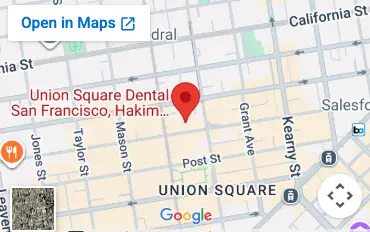
At Union Square Dental Practice in downtown San Francisco, Dr. Mahsa Hakim and Dr. Nazanin Hakim combine more than two decades of experience with a personalized, prevention-focused approach to cosmetic care. As graduates of the UCSF School of Dentistry, we evaluate every smile in the broader context of oral health, tooth structure, gum condition, bite function, and long-term stability. Our cosmetic services include teeth whitening, dental veneers, Invisalign treatment, crowns, implants, and comprehensive restorative planning. We also use modern dental technology and patient education to help patients understand their options and choose treatment that reflects their individual smile goals.
A cosmetic dentistry consultation is the best place to determine which treatments may be appropriate for your teeth, gums, facial features, and expectations. During your visit, we can discuss the concerns you would like to address, examine the factors influencing your smile, and develop a plan that prioritizes both aesthetics and oral health. Contact Union Square Dental Practice to schedule a consultation with Dr. Mahsa Hakim or Dr. Nazanin Hakim and take the next step toward a healthier, more confident smile.